

🔥 When Emotion Overrides Intelligence
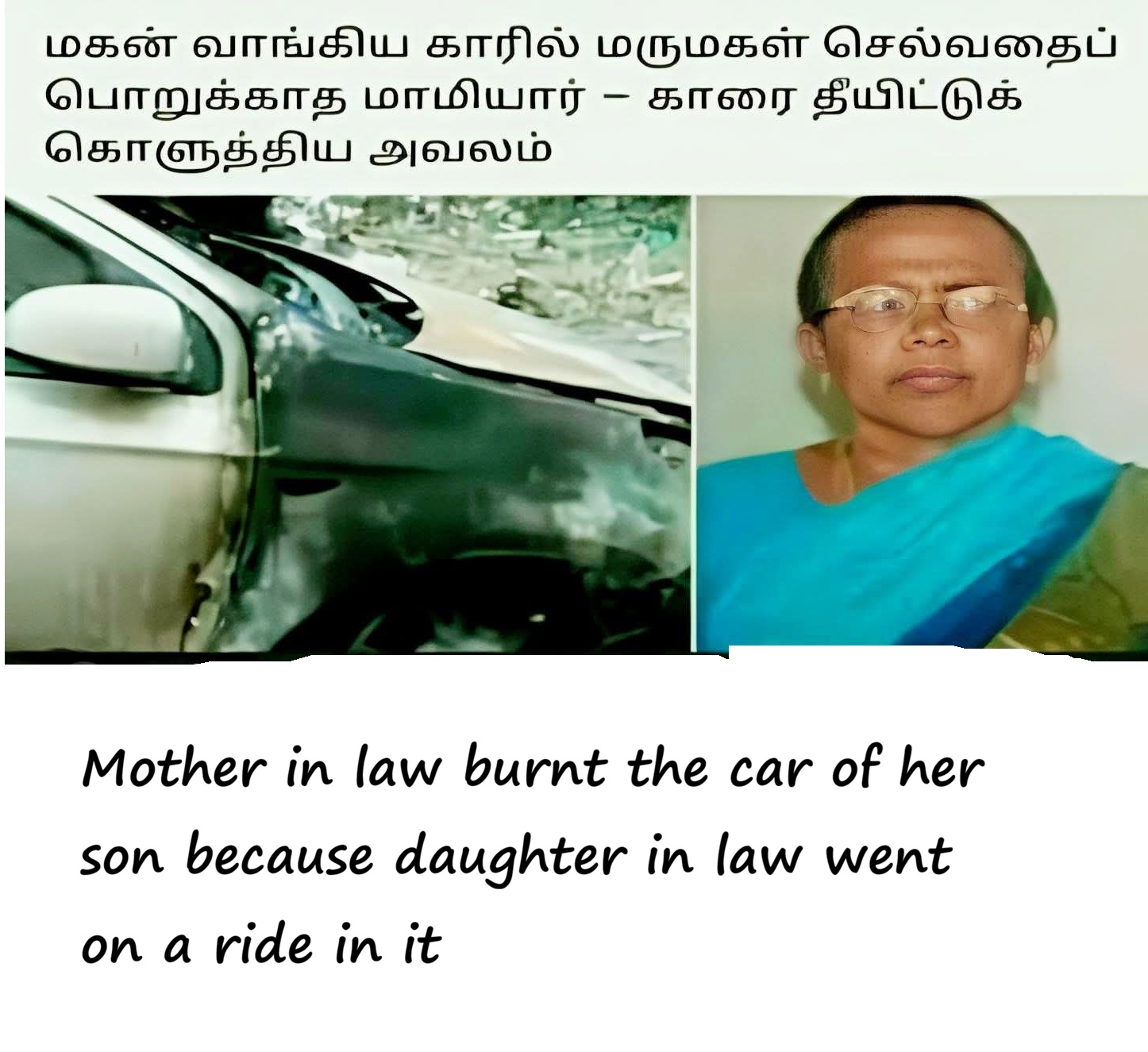
In the incident is a mother-in-law reportedly set fire to a car because she could not tolerate her daughter-in-law riding in a vehicle purchased by her son.
Pause for a moment.
The issue was not the car.
The issue was not money.
The issue was not even the daughter-in-law.
The real issue was unregulated emotion — jealousy, insecurity, possessiveness — left unchecked.
When emotion hijacks reason, even intelligent people make destructive decisions.
Psychologists call this an emotional hijack — when the emotional brain (amygdala) overrides the rational brain (prefrontal cortex). In that moment, logic disappears. Consequences disappear. Only emotion speaks.
And emotion, when unmanaged, can be violent.
⚠️ The Hidden Dangers of Uncontrolled Emotions
Uncontrolled emotions don’t just create dramatic headlines. They slowly poison everyday life.
- They Destroy Relationships
Jealousy becomes suspicion.
Possessiveness becomes control.
Anger becomes aggression.
Healthy relationships need trust and emotional maturity. When emotions dominate behavior, relationships become battlegrounds.
- They Create Permanent Damage from Temporary Feelings
Emotions are temporary waves.
Actions are permanent consequences.
A moment of rage can result in:
- Broken trust
- Legal issues
- Family fractures
- Social embarrassment
- Lifetime regret
One emotional outburst can undo years of stability.
- They Turn Love into Ownership
Possessiveness often disguises itself as love.
But love says:
“I want you to be happy.”
Possessiveness says:
“I want you to belong to me.”
When relationships shift from partnership to ownership, conflict becomes inevitable.
🧠 Emotional Regulation: The Foundation of Intelligent Living
True intelligence is not IQ.
It is emotional regulation.
Emotional regulation is the ability to:
- Recognize what you are feeling
- Pause before reacting
- Choose a response instead of exploding
It is the difference between:
Reaction and Response
Impulse and Intention
Destruction and Dialogue
Emotionally regulated people don’t suppress feelings.
They process them.
💡 Why Emotional Regulation Is Essential for Healthy Relationships
- It Creates Psychological Safety
When people know you won’t explode, they feel safe around you.
Safety builds intimacy.
- It Reduces Drama and Power Struggles
Emotionally mature individuals don’t compete for control.
They communicate.
Instead of:
“How dare you?”
They ask:
“Why did this make me uncomfortable?”
- It Builds Long-Term Respect
Fear can control someone temporarily.
Emotional maturity earns respect permanently.
🌱 Signs of Emotional Maturity
- You pause before reacting.
- You question your assumptions.
- You can tolerate discomfort without aggression.
- You separate facts from feelings.
- You take responsibility for your emotional triggers.
This is not weakness.
This is strength.
🛑 How to Prevent Emotional Explosions
Here are simple but powerful practices:
- The 10-Minute Rule
Never make decisions in the first 10 minutes of anger.
- Name the Emotion
Instead of acting it out, say:
“I feel insecure.”
“I feel left out.”
“I feel threatened.”
Naming emotion reduces its intensity.
- Ask: What Am I Afraid Of?
Jealousy is usually fear in disguise — fear of losing importance, relevance, or control.
- Seek Dialogue, Not Dominance
Talk before you react.
Express before you accuse.
🚨 The Bigger Lesson
A car can be replaced.
But:
- Burned trust is harder to rebuild.
- Public humiliation lingers.
- Emotional wounds last years.
Uncontrolled emotion does not just burn objects.
It burns relationships.
It burns dignity.
It burns peace.
🌿 Intelligent Living Requires Emotional Discipline
An intelligent life is not about success or status.
It is about:
- Stability
- Respect
- Self-control
- Inner calm
Emotional regulation is not optional in families.
It is essential.
Because the true luxury in life is not a car.
Luxury of life is a peaceful home.