
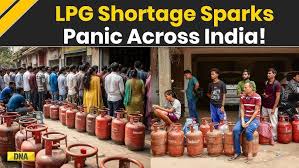
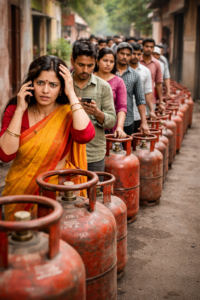
Recent reports of an alleged LPG gas cylinder shortage amid geopolitical tensions triggered a familiar scene across parts of India. Long queues at gas agencies. Panic bookings for domestic and commercial cylinders. Crowds rushing to petrol stations, filling tanks and extra cans.
All this — despite government assurances of uninterrupted supply.
What happened here is not just an economic reaction. It is a psychological one.
It is the scarcity mindset in action.
🔴 Scarcity Does Not Start in the Market — It Starts in the Mind
When people believe something will run out, rational thinking quietly exits.
Fear whispers:
“What if I don’t get it later?”
“What if others grab everything?”
“What if my family suffers because I didn’t act now?”
So we overbuy. We hoard. We rush. We compete.
Ironically, this behavior itself creates the shortage we fear.
Panic buying manufactures scarcity.
🧠 Why We Stop Trusting Reassurance
Even when authorities promise steady supply, anxiety says:
- “What if they are wrong?”
- “What if the situation worsens?”
- “Better safe than sorry.”
This is a survival instinct — useful in true emergencies, harmful in uncertain ones.
Unchecked fear spreads faster than facts.
One anxious buyer influences ten more.
Soon, calm individuals become panicked crowds.
⚠️ The Real Damage of Scarcity Thinking
Beyond temporary inconvenience, scarcity mindset causes deeper harm:
✔️ It deprives vulnerable people who truly need resources
✔️ It fuels social tension and mistrust
✔️ It drains emotional energy
✔️ It keeps society in a constant state of anxiety
✔️ It replaces cooperation with competition
Most importantly, it robs us of peace.
🌱 Abundance Thinking: The Antidote to Panic
Hope is not blind optimism.
It is grounded trust combined with responsible action.
An abundance mindset does not mean ignoring risk — it means responding wisely.
People with this mindset tend to:
✅ Buy what they need, not what fear demands
✅ Verify information before reacting
✅ Trust systems unless proven otherwise
✅ Think collectively, not just individually
✅ Preserve calm for themselves and others
Calm is contagious too.
🕊️ How to Replenish Hope and Inner Peace During Uncertainty
- Pause Before Acting
Urgency often signals emotion, not necessity. - Check Reliable Sources
Rumors multiply faster than reality. - Focus on Sufficiency, Not Excess
“Enough” is a powerful word. - Limit Exposure to Panic Conversations
Anxiety spreads through repetition. - Think Community, Not Just Self
Your restraint protects someone else. - Practice Psychological Grounding
Slow breathing, prayer, meditation, or reflection restores balance.
💡 The Bigger Lesson
Nations don’t collapse because resources disappear overnight.
They struggle when fear overrides trust.
True resilience is not stockpiling goods.
It is cultivating emotional stability.
In uncertain times, the greatest public service is calm behavior.
Because peace of mind is also a resource — and unlike fuel or gas, it does not run out unless we give it away.
❓ A Question Worth Reflecting On
In moments of uncertainty, do our actions increase fear in society — or strengthen trust and stability?
What one responsible step can you take today to model calm, thoughtful behavior for others?
👇 Share your perspective. Your voice may help someone choose peace over panic.